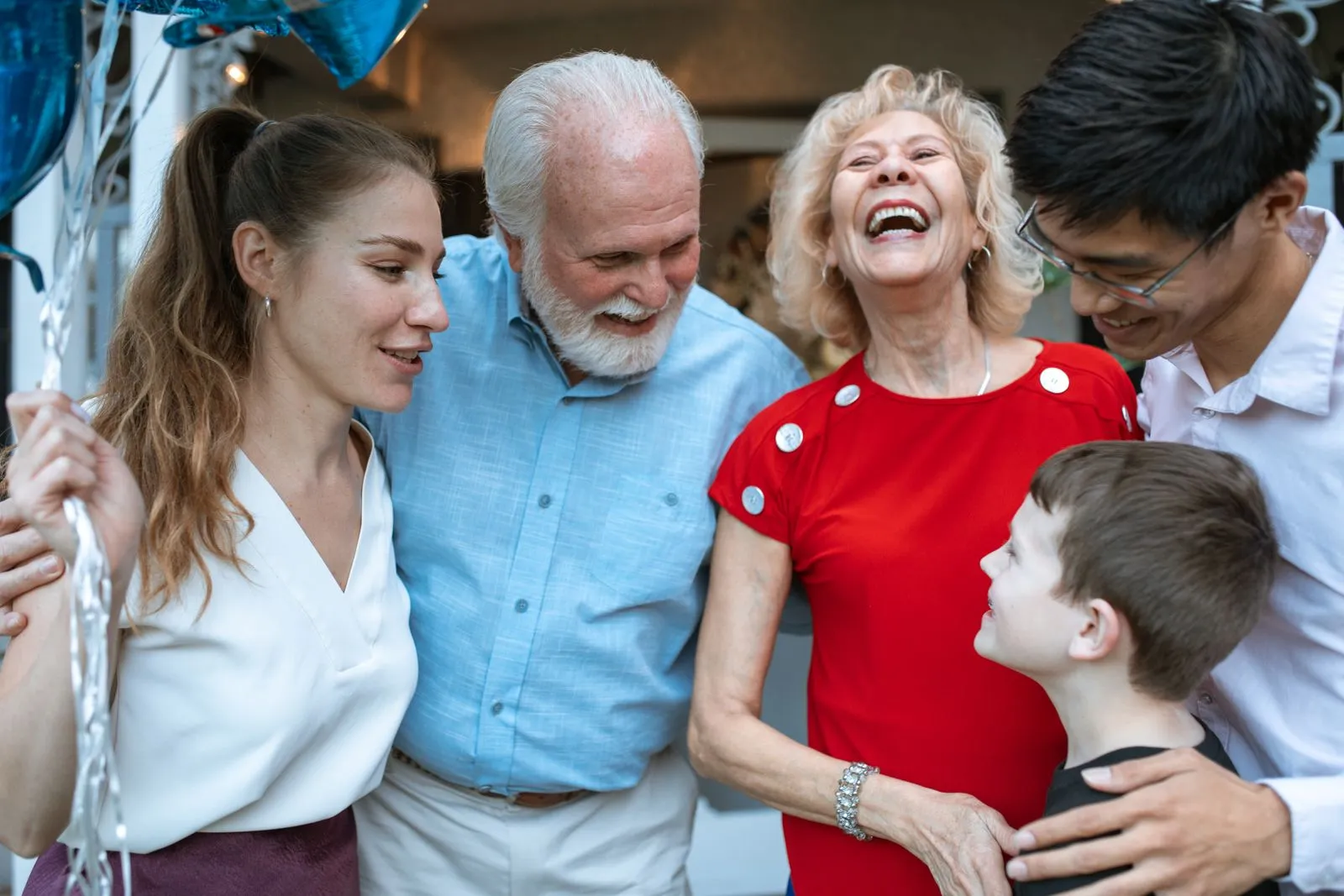
Living near people of different ages creates opportunities to learn from one another, but meaningful connection usually starts with ordinary moments. A comfortable lounge, shared garden, or recurring community meal can make it easier to say hello and spend time together without pressure. The design of a common area and the way activities are organized both matter. With welcoming spaces and simple ways to participate, neighbors can build familiarity at a pace that feels natural.
Make Common Areas Welcoming
A shared space works best when residents can use it for more than one purpose. Arrange seating for both conversation and quiet activities, and keep pathways clear for people using mobility aids or strollers. Good lighting, readable signs, and comfortable seating with arms can make the room easier to navigate and use. A few practical choices help residents of different ages feel that the space was designed with them in mind.
Give the room a clear invitation to linger. A table for puzzles, a small shelf of books, or a spot for coffee can offer an easy reason to pause. Avoid making every activity feel scheduled or formal; neighbors may connect while reading, tending plants, or waiting for a meal. When people can choose how much to participate, the space feels less intimidating to newcomers and quieter residents.
Build Connection Through Routine
A regular, predictable activity helps neighbors recognize one another over time. Consider a weekly shared meal, open craft table, gardening hour, or game afternoon. Keep the schedule consistent and post it where residents will see it. Familiarity grows through repeated low-pressure encounters, even when someone only stays for a few minutes or joins every few weeks.
Make activities easy to enter and leave. Share what to expect, whether residents need to bring anything, and whether they can simply observe. Offer options that do not depend on speed, strength, or specialized knowledge. For example, a garden gathering can include watering, labeling plants, or sitting and chatting. Flexible roles let people contribute in ways that suit their interests and abilities.
Create Activities With Residents
Ask residents what they would enjoy before planning a full calendar. A short suggestion board or casual conversation can surface interests that cross age groups, such as cooking, local history, music, or practical skills. Invite residents to help choose themes and formats rather than assuming what different generations want. Shared planning gives people a reason to meet and helps activities reflect the community’s actual interests.
Try pairing generations around a shared task instead of focusing on age differences. Residents might trade recipes, work on a communal art project, or share tips for caring for indoor plants. Make participation voluntary and avoid assigning someone the role of teacher or learner based on age. Each person brings different experiences, and mutual exchange makes conversation more balanced.
Support Comfortable Interaction
A welcoming environment respects different communication styles and energy levels. Keep background noise manageable, provide a quieter seating area, and let people know they can step away at any time. Use clear invitations rather than putting individuals on the spot. Hosts can help introduce neighbors, explain an activity, and include newcomers without expecting everyone to join a group conversation.
Notice what is working and adjust. If residents gather informally after an activity, leave time for conversation instead of ending abruptly. If attendance is low, ask whether the timing, location, or format creates a barrier. Small changes—such as adding a second time slot or making refreshments available—can make it easier for more neighbors to take part.
Shared spaces do not need elaborate programming to bring generations closer. Comfortable places, dependable activities, and room for different ways of participating can turn brief encounters into familiar, lasting connections. Start with one common area or recurring gathering, then shape it around residents’ feedback. North Loop Commons can help you explore how community living supports everyday connection.